Power
EPA Reaffirms MATS Rule - Again
The EPA reaffirmed the scientific, economic and legal soundness of its Mercury and Air Toxics Standards
Released Thursday, February 23, 2023
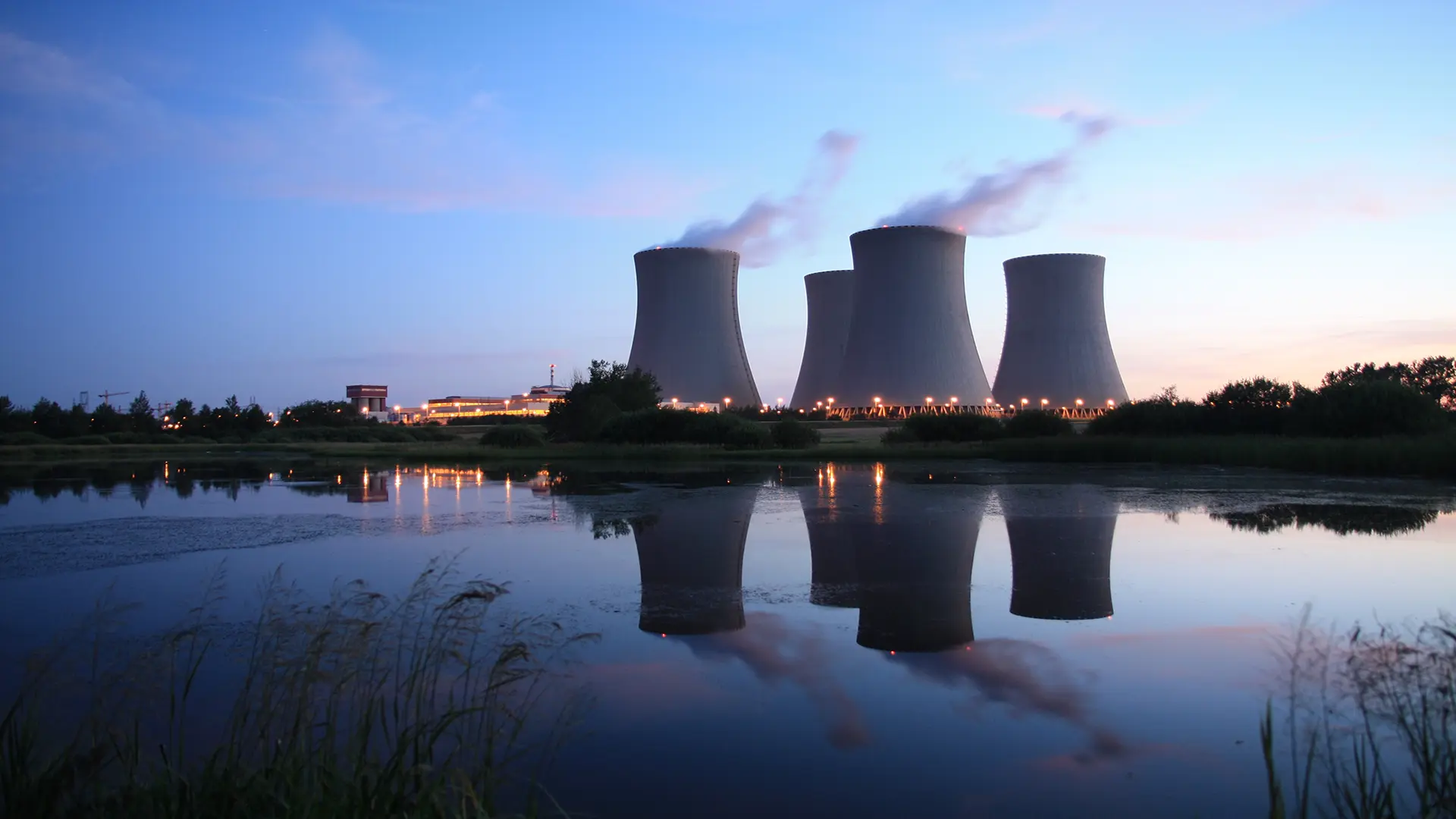
Written by John Egan for Industrial Info Resources (Sugar Land, Texas)--The U.S. Environmental Protection Agency (EPA) (Washington, D.C.) earlier this month concluded a year-long review of its Mercury and Air Toxics Standards (MATS) by reaffirming the scientific, economic and legal soundness of the rule the agency finalized years earlier.
The rule is derived from Section 112 of the Clean Air Act, which concerns regulation of hazardous air pollutants, including mercury, from coal- and oil-fired power generators greater than 25 megawatts (MW) in capacity.
The MATS rule has a long and convoluted history. The rule was first finalized in 2012, and owners of coal- or oil-fired electric generating units (EGUs) with over 25 MW of generating capacity were given until 2016 to comply. But in a case that reached the U.S. Supreme Court in 2015, the agency was found to be in error when it did not consider the costs of its MATS rule. A year later, in 2016, the EPA responded to the court ruling by providing estimated costs and still concluded it was necessary and appropriate to regulate those emissions.
Then, in 2020, the Trump administration's EPA reversed itself, finding that, after weighing the costs of compliance against certain benefits of regulation, it was not appropriate and necessary to regulate coal- and oil-fired EGUs under Section 112 of the CAA. The EPA's February 17 reaffirmation of the MATS rule, with its original emission standards unchanged, reversed the 2020 finding.
In a statement issued February 17, the Biden administration's EPA said the Trump administration's reversal of the rule was based on "a fundamentally flawed interpretation of the Clean Air Act that improperly ignored or undervalued vital health benefits from reducing hazardous air pollution from power plants."
Even as litigation dragged on for years, the EPA estimated that between 2010 and 2017, mercury emissions from power plants dropped 86%, acid gas emissions were cut 96%, and non-mercury metal emissions were reduced 81%.
Owners of U.S. coal- or oil-fired generators, perhaps seeing the writing on the wall, started retiring their older, smaller, and less-efficient coal-fired generators over a decade ago. In the U.S., more than 200 coal-fired units have been retired since 2011, and a few dozen more are slated to close in the next few years.

Electricity groups estimated that their members had installed $18 billion of mercury-control equipment as of 2018. Industrial Info's Global Marketing Intelligence (GMI) platform showed 56 mercury-reduction projects were completed at coal-and oil-fired generators between 2010 and 2020, at a cost of about $3.45 billion.
The EPA said the original estimated costs to comply with the MATS was "likely billions of dollars lower than originally estimated."
In language perhaps anticipating yet another court challenge, the agency on February 17 said it was "reaffirming the scientific, economic and legal underpinnings" of the rule, which required significant reductions of mercury, acid gases and other harmful pollutants from coal- and oil-fired power plants.
In a divided Congress, there is little chance that legislative efforts to weaken the MATS rule, or attack the agency's professional qualifications to regulate these emissions, will succeed. But the Trump administration stocked the federal courts with conservative judges who often take a jaundiced view of federal regulatory actions that were not explicitly authorized by Congress. That approach has been called the "major questions" doctrine. For more on how that doctrine drove the Supreme Court's decision last year on carbon dioxide emissions, see July 1, 2022, article - Supreme Court Kicks Clean Air Case Back to EPA.
In its February 17 statement, the EPA said controlling emissions of mercury, acid gases and hazardous air pollutants from coal- and oil-fired power plants "improves public health by reducing fatal heart attacks, reducing cancer risks, avoiding neurodevelopmental delays in children, and helping protect our environment. These public health protections are especially important for anyone affected by hazardous air pollution, including children and particularly vulnerable segments of the population such as Indigenous communities, low-income communities and people of color who live near power plants."
It is not clear whether the EPA action would lead to any new mercury-reduction project activity at U.S. coal- or oil-fired generators. Currently, there are no active mercury-reduction projects in Industrial Info's GMI platform.
In the EPA's February statement, EPA Administrator Michael Regan said, "For years, Mercury and Air Toxics Standards have protected the health of American communities nationwide, especially children, low-income communities, and communities of color who often and unjustly live near power plants. This finding ensures the continuation of these critical, life-saving protections while advancing President Biden's commitment to making science-based decisions and protecting the health and wellbeing of all people and all communities."
In reaffirming the MATS rule, the EPA acted pursuant to President Joe Biden's Executive Order 13990, issued on January 20, 2021, the first day of his presidency, which instructed executive agencies to take a "whole of government" approach to protect public health and fight global warming.
Reaction to the EPA move followed familiar lines. Environmental organizations and Democratic lawmaker praised the move while coal-state Senator Shelley Moore Capito (West Virginia), the ranking Republican on the Senate Committee on Environment and Public Works, blasted the rule as a continuation of the "war on coal."
The February 17 statement from the EPA hinted the agency was not done with regulating mercury emissions from power plants. The agency's MATS Risk and Technology Review task force is working "to determine whether more stringent protections for hazardous air pollution from power plants are feasible and warranted and expects to address that review in a separate action," EPA said.
Industrial Info Resources (IIR) is the leading provider of industrial market intelligence. Since 1983, IIR has provided comprehensive research, news and analysis on the industrial process, manufacturing and energy related industries. IIR's Global Market Intelligence (GMI) helps companies identify and pursue trends across multiple markets with access to real, qualified and validated plant and project opportunities. Across the world, IIR is tracking over 200,000 current and future projects worth $17.8 Trillion (USD).
/news/article.jsp
false
Want More IIR News Intelligence?
Make us a Preferred Source on Google to see more of us when you search.
Add Us On GoogleAsk Us
Have a question for our staff?
Submit a question and one of our experts will be happy to assist you.

Forecasts & Analytical Solutions
Where global project and asset data meets advanced analytics for smarter market sizing and forecasting.
Explore Our SolutionsRelated Articles

PECWeb Global Market Intelligence Platform
Identify opportunities, anticipate change, and execute with confidence. PECWeb connects the industrial intelligence you need, from projects and assets to operational events, all in one platform.
Discover PecwebIndustry Intel
-
Latin America Data Center Outlook 2026: Power, Hubs & GrowthPodcast Episode / Oct 9, 2026
-
Food and Beverage CapEx Outlook 2026: Tariffs, AI, AfricaPodcast Episode / Oct 9, 2026
-
North America Refining 2026: New Pipelines to PADD 5Podcast Episode / Oct 2, 2026
-
Biomanufacturing Onshoring 2026: GLP-1, CDMO and ReshoringPodcast Episode / Oct 2, 2026
-
2026 US Data Center Outlook: Power, Land & CoolingPodcast Episode / Sep 18, 2026